

Candle Making: a Comprehensive Guide
Candle Making: a Comprehensive Guide
The art of candle making has experienced a remarkable resurgence in recent years, transforming from a traditional craft into a thriving creative pursuit and successful business venture. Whether you're exploring candle making as a relaxing hobby or considering launching your own artisan candle business, understanding the fundamentals of this ancient craft opens up a world of aromatic possibilities.
In 2026, the handmade candle market continues to flourish, with consumers increasingly seeking unique, high-quality home fragrance products that reflect their personal style and values. From selecting the right wax to mastering scent combinations, the journey of creating your own candles offers both creative satisfaction and practical rewards.
Understanding Candle Wax Types and Their Properties
The foundation of any quality candle lies in choosing the appropriate wax. Each wax type offers distinct characteristics that affect burning quality, scent throw, and overall performance. Soy wax has become increasingly popular among artisan candle makers due to its natural origin, clean burn, and excellent scent retention. This renewable resource burns slower than paraffin, offering better value and a more eco-conscious option for environmentally aware consumers.
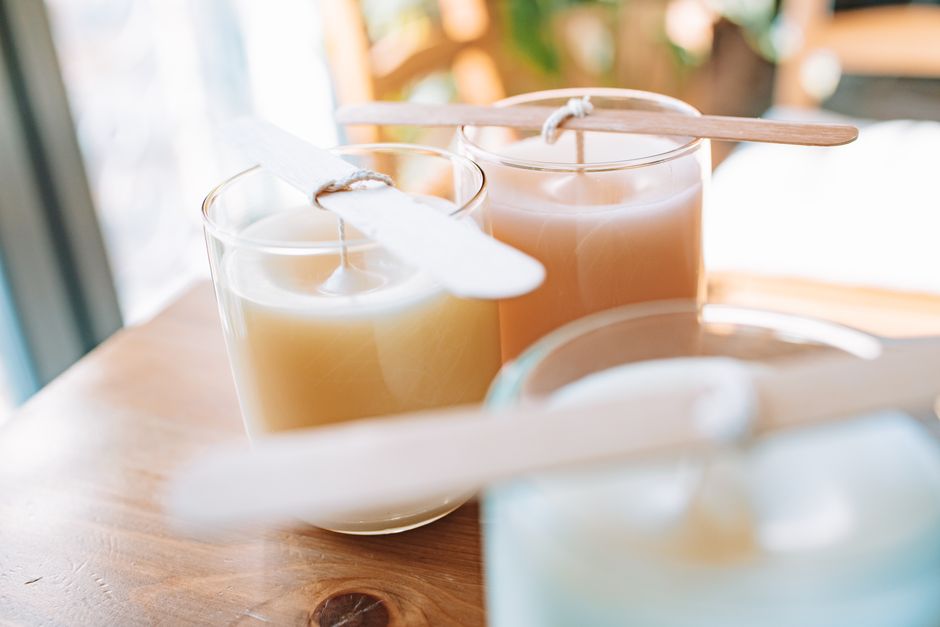
Paraffin wax remains a traditional choice, known for its superior scent throw and vibrant colour potential. Beeswax offers a naturally sweet aroma and beautiful golden hue, though it commands a higher price point. Coconut wax and palm wax represent additional alternatives, each with unique benefits for specific candle applications. Many professional candle makers experiment with wax blends to achieve optimal performance characteristics.
Understanding how different waxes interact with fragrance oils, dyes, and wicks is essential for creating consistent, high-quality products. Temperature control during melting and pouring significantly impacts the final appearance and performance of your candles. For those looking to dive deeper into sourcing materials, a reliable candle supply store is invaluable.
Mastering Fragrance Selection and Blending
The scent profile defines a candle's character and appeal. Creating signature fragrances requires both artistic intuition and technical knowledge of how essential oils and fragrance oils behave when combined. Top notes provide the initial impression, middle notes form the heart of the scent, and base notes offer depth and longevity.

Popular fragrance families include floral, woody, citrus, spicy, and gourmand categories. Many successful candle makers develop signature scents inspired by popular perfumes, creating luxury candles that capture beloved fragrances in wax form. For insights into one such popular scent, read our guide on Alien Perfume: the Iconic Fragrance Explained. The fragrance load—typically between six and ten percent of the wax weight—must be carefully calculated to ensure optimal scent throw without compromising burn quality.
Testing fragrance combinations in small batches prevents costly mistakes and allows for refinement before full production. Maintaining detailed records of fragrance ratios, wax types, and customer feedback helps build a reliable knowledge base for future creations.
Essential Equipment and Safety Considerations
Setting up a candle making workspace requires specific equipment and adherence to safety protocols. A double boiler or dedicated wax melter provides controlled heating, while a reliable thermometer ensures proper pouring temperatures. Digital scales accurate to one gram allow precise measurement of wax and fragrance oils.
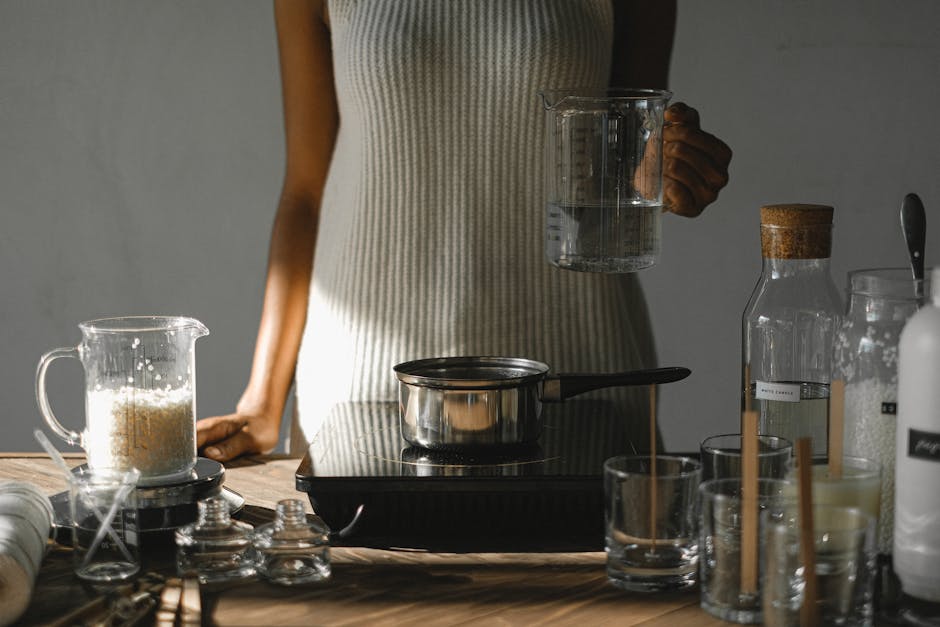
Safety equipment includes heat-resistant gloves, protective eyewear, and fire extinguisher access. Adequate ventilation is crucial when working with fragrance oils and melted wax. Never leave melting wax unattended, and maintain clear workspace organization to prevent accidents. Understanding flash points of fragrance oils and proper wax melting temperatures prevents dangerous situations.
Additional supplies include wick holders, pouring pitchers, molds or containers, and various tools for securing wicks and smoothing candle surfaces. Investing in quality equipment from the start ensures consistent results and safer working conditions. While candle making doesn't require physical exertion comparable to activities recommended by health authorities like the NHS exercise guidance, maintaining good posture and taking regular breaks during extended crafting sessions promotes wellbeing.
Wick Selection and Burn Testing
Choosing the correct wick size and type dramatically affects how your candle burns. Wick diameter must correspond to the container size and wax type to ensure an even melt pool and optimal fragrance release. Cotton wicks suit most applications, while wooden wicks create an appealing crackling sound and unique aesthetic.

Burn testing is non-negotiable for quality control and safety. Each candle should be tested for at least four hours to observe melt pool formation, flame height, and fragrance throw. The melt pool should reach the container edges within two to three hours to prevent tunneling. A properly sized wick produces a steady flame approximately one inch tall without excessive smoking or mushrooming.
Different wax blends and fragrance loads require wick adjustments. Maintaining a testing log documenting wick performance across various formulations builds expertise and ensures consistent quality. Products like premium gift-wrapped candles demand rigorous testing before reaching customers.
Creating Complementary Products for Business Growth
Successful candle businesses often expand their product lines to include complementary home fragrance items. Wax melts offer customers an affordable way to experience various scents without committing to full-sized candles. These snap bars and wax melts require similar ingredients to candles but eliminate wick concerns and offer portion control for fragrance intensity. Discover more about creating new scent profiles with our guide on Candy Melts: Sweet Scents for Your Home.
Scented sizzlers, room sprays, and carpet fresheners broaden your customer base and increase average order values. Gift packs combining multiple products create attractive presentation options for special occasions. Developing a cohesive product range with consistent branding and packaging elevates your business from hobby to professional enterprise.
Understanding your target market's preferences guides product development. Seasonal collections, limited editions, and custom order capabilities provide additional revenue streams and customer engagement opportunities. Building a diverse product portfolio also provides resilience against market fluctuations and changing consumer trends.
Building Your Candle Making Business
Transforming candle making from hobby to profitable business requires planning, consistent quality, and effective marketing. Establishing your brand identity through distinctive packaging, cohesive visual aesthetics, and compelling storytelling differentiates your products in a competitive market. Understanding regulations regarding labelling, ingredient disclosure, and fire safety compliance protects both your business and customers.
Online platforms provide accessible sales channels for handmade products, while local markets and craft fairs offer face-to-face customer connections. Social media showcases your creative process and builds community around your brand. High-quality product photography highlighting texture, colour, and packaging details drives online sales.
Pricing strategies must account for materials, time, overhead costs, and perceived value. Offering variety packs and bundles encourages customers to explore your range while increasing transaction values. Customer service excellence, including prompt delivery and responsive communication, builds loyalty and generates positive reviews. For those seeking advanced skills, consider a dedicated candle making class to refine your craft.
Conclusion
Candle making combines artistic expression with practical craft, offering opportunities for personal enjoyment and entrepreneurial success. Mastering wax properties, fragrance blending, wick selection, and burn testing creates the foundation for producing exceptional candles that delight customers and stand out in the marketplace.
Whether you're creating candles for personal use, gifts, or commercial sale, commitment to quality, safety, and continuous learning ensures rewarding results. The handmade candle market continues expanding as consumers seek authentic, artisanal products that transform their living spaces with beautiful fragrances and warm ambiance.
Starting with quality materials, proper equipment, and thorough testing establishes good practices that serve you throughout your candle making journey. As you develop your skills and refine your signature style, you'll discover the profound satisfaction of creating products that bring joy, comfort, and sensory pleasure to people's homes.