

Candle Making Class: a Complete Guide
Candle Making Class: a Complete Guide
The art of candle making has experienced a remarkable resurgence in recent years, with people across the UK seeking creative outlets and hands-on experiences. Whether you're looking to develop a new hobby, start a small business, or simply enjoy a relaxing craft activity, a candle making class offers the perfect opportunity to learn this ancient skill. Understanding the fundamentals of candle making can transform how you appreciate handcrafted products like those from Clarky Candles, which handmakes scented candles, wax melts, and sizzlers in Northampton.
Why Take a Candle Making Class
Candle making classes have become increasingly popular as people discover the therapeutic benefits of working with their hands. Just as the NHS emphasizes the importance of holistic wellbeing, creative activities like candle making contribute to mental health by reducing stress and promoting mindfulness. When you attend a class, you're not just learning a craft—you're investing in a relaxing experience that combines creativity with practical skill development.
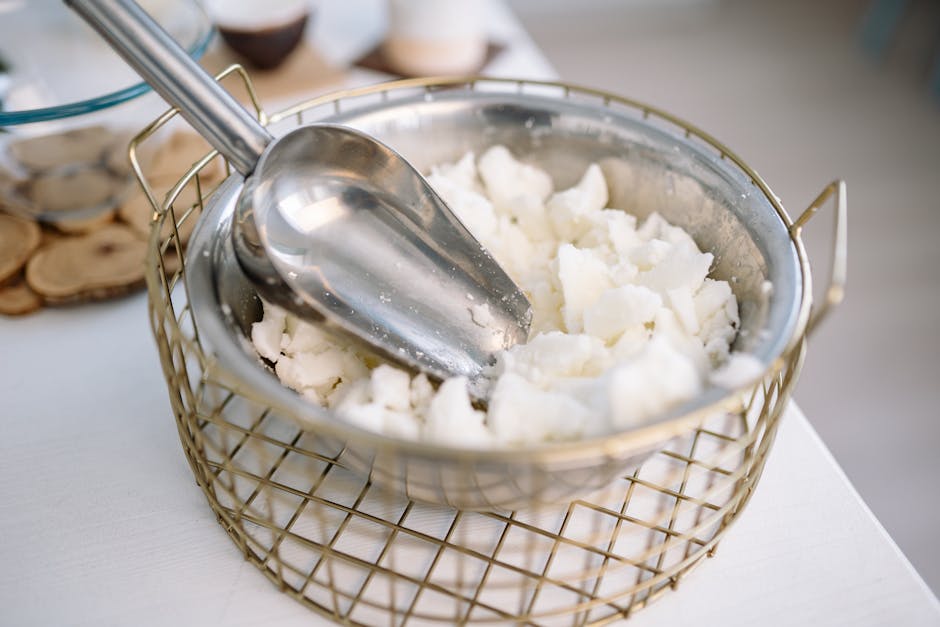
Beyond the therapeutic aspects, candle making classes offer several compelling benefits. You'll gain insight into fragrance blending, understanding how different essential oils and fragrance oils work together to create unique scents. This knowledge allows you to appreciate the craftsmanship behind premium products, such as luxury scented candles that feature complex fragrance profiles. Additionally, the skills you acquire can lead to a rewarding hobby or even a small business venture, with many successful candle makers starting their journey in a beginner's class.
What You'll Learn in a Candle Making Workshop
A comprehensive candle making class typically covers all essential aspects of the craft, starting with safety procedures and equipment familiarization. You'll learn about different types of wax—soy, paraffin, beeswax, and blends—and understand how each affects burn time, scent throw, and overall candle quality. Instructors explain the science behind proper wick selection, which is crucial for ensuring your candles burn evenly and safely.
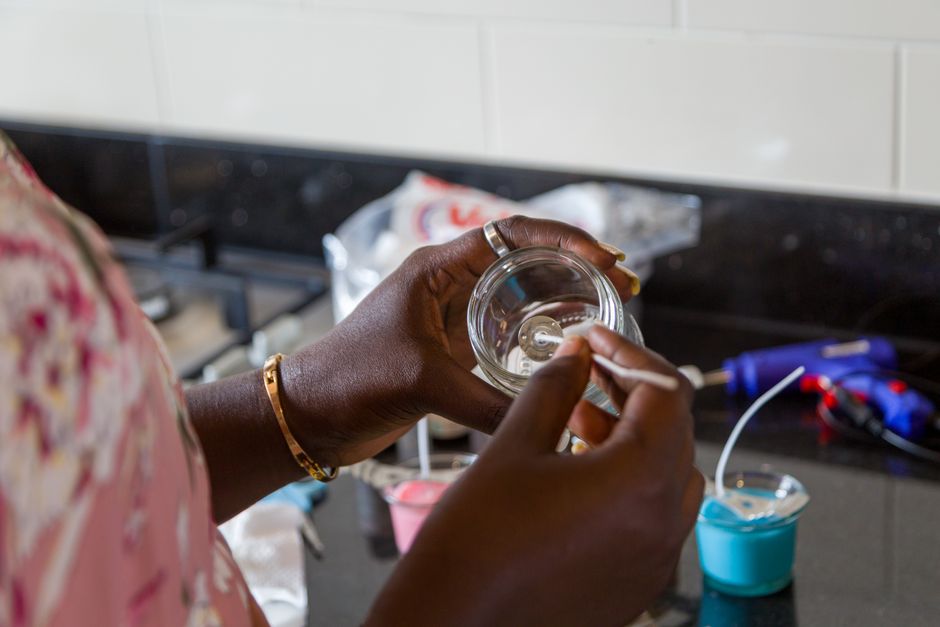
The hands-on portion of most classes includes measuring and melting wax, adding fragrance oils at the correct temperature, and selecting appropriate containers or molds. You'll discover the importance of pour temperature and cooling conditions, factors that significantly impact the final product's appearance and performance. Many classes also introduce color theory for candle making, teaching you how to achieve beautiful, consistent colors using dyes and pigments.
Advanced workshops often delve into creating layered candles, embedded designs, and specialty items like wax melt snap bars. You'll learn troubleshooting techniques for common issues such as tunneling, frosting, and wet spots, ensuring your candles meet professional standards. Understanding these challenges helps you appreciate the expertise required to produce high-quality home fragrance products consistently.
Types of Candle Making Classes Available
The candle making education landscape offers diverse options to suit different learning styles and schedules. Beginner workshops typically run for two to three hours and focus on creating simple container candles, perfect for those new to the craft. These sessions provide a solid foundation without overwhelming participants with advanced techniques.

Intermediate classes build upon basic skills, introducing more complex projects like pillar candles, decorative tapers, and scented wax products. Participants might explore creating scented sizzlers or specialty melts, learning about different applications for fragrance wax beyond traditional candles.
Advanced masterclasses cater to serious hobbyists and aspiring professionals, covering business aspects such as costing, branding, and safety regulations. These intensive sessions often span full days or multiple sessions, providing comprehensive knowledge for those considering candle making as a business venture. Some courses even include guidance on building an online presence and marketing strategies specific to the home fragrance industry.
Private and group sessions offer customized experiences, popular for hen parties, corporate team-building events, or special celebrations. These tailored workshops combine learning with socializing, creating memorable experiences while developing practical skills.
Essential Materials and Equipment
Understanding the tools and materials used in candle making helps you make informed decisions whether you're taking a class or setting up your own workspace. Most classes provide all necessary equipment, but knowing what's involved prepares you for independent practice afterward.
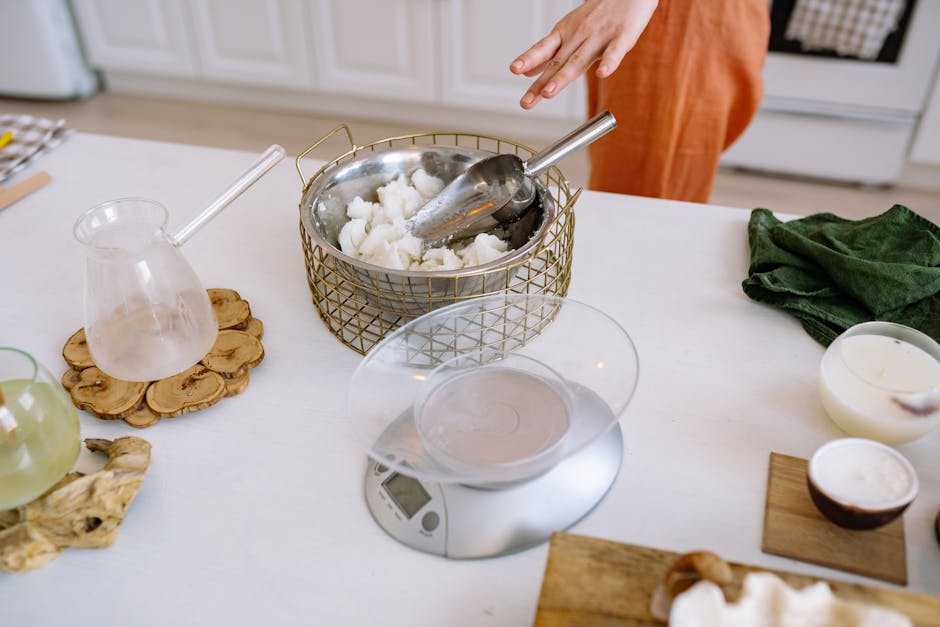
The fundamental supplies include wax (typically soy or paraffin-based), wicks with sustainer tabs, fragrance oils, and containers or molds. You'll need a double boiler or dedicated wax melting pot, a thermometer for accurate temperature monitoring, and a pouring pitcher for controlled pouring. Safety equipment such as heat-resistant gloves and aprons protects you during the melting and pouring processes.
Professional candle makers invest in scales for precise measurements, ensuring consistency across batches. Color blocks or liquid dyes allow for customization, while wick centering devices help maintain proper alignment during cooling. Many artisans also use heat guns for surface finishing, removing imperfections and creating smooth tops on container candles.
Quality materials significantly impact the final product. Premium fragrance oils provide stronger scent throw and better longevity, explaining why handcrafted products from established makers often outperform mass-produced alternatives. The attention to material quality distinguishes artisan candles from commercial options, creating superior home fragrance experiences.
Tips for Choosing the Right Class
Selecting an appropriate candle making class requires consideration of several factors. First, assess your current skill level honestly—beginning with an advanced class without foundational knowledge leads to frustration rather than enjoyment. Review course descriptions carefully, ensuring the curriculum matches your interests and goals.
Location and accessibility matter, particularly if you're traveling from elsewhere in the UK. Look for classes in convenient locations with adequate parking or public transport links. Class size also affects the learning experience; smaller groups typically offer more personalized attention and hands-on guidance from instructors.
Research the instructor's background and experience. Established candle makers who run successful businesses bring valuable practical insights beyond basic technique. Read reviews from previous participants to gauge teaching quality and overall satisfaction. Consider what materials you'll take home—many classes allow you to keep your creations, along with recipe cards and resource lists for continued learning.
Budget considerations include not just the class fee but potential travel costs and any additional materials you might want to purchase. While comprehensive workshops cost more, they often provide better value through extensive instruction and premium materials. Some venues offer package deals or seasonal discounts, making quality education more accessible.
Taking Your Skills Further
Completing a candle making class marks the beginning rather than the end of your journey. Practice remains essential for developing proficiency, so set aside time to experiment with different waxes, fragrances, and techniques. Start a candle making journal to document your recipes, noting what works well and areas for improvement.
Join online communities and local craft groups where candle makers share tips, troubleshoot problems, and inspire creativity. Many UK-based forums and social media groups provide ongoing support and education, helping you stay current with trends and innovations in the industry. Attending craft fairs and markets exposes you to different styles and techniques, while supporting small businesses like artisan candle makers who exemplify quality craftsmanship.
Consider supplementing hands-on classes with online resources, books, and video tutorials. This combination of learning methods reinforces skills and introduces new perspectives. As you grow more confident, experiment with unique fragrance combinations and decorative techniques, developing your signature style.
If business interests emerge, research legal requirements for selling candles in the UK, including safety testing, labeling regulations, and insurance considerations. Many successful candle businesses started with a single class, growing through dedication and continuous learning.
Conclusion
Candle making classes offer enriching experiences that combine creativity, skill development, and relaxation. Whether you're seeking a new hobby, therapeutic outlet, or potential business venture, these workshops provide the foundation for success in this rewarding craft. By understanding the materials, techniques, and possibilities within candle making, you'll develop a deeper appreciation for handcrafted home fragrance products and the artisans who create them. The journey from your first class to creating beautiful, professional-quality candles is filled with learning, experimentation, and satisfaction—making it an investment in both skill and wellbeing that continues rewarding you for years to come.